
Ibogaine Treatment: The Mechanics, The Real Risks, and The Truth About the Addiction Reset
Traditional recovery programs often feel like a revolving door. You walk into a detox center,


Africa is home to one of the world’s richest collections of medicinal plants and botanical knowledge. For thousands of years, communities across the continent have developed sophisticated systems of plant-based healing that continue to influence healthcare, spirituality, and wellness today.
Understanding African botanical traditions goes beyond identifying medicinal plants. It involves appreciating centuries of observation, ecological knowledge, cultural practices, and respect for nature that have been carefully passed from one generation to the next.
Today, as interest in natural wellness continues to grow worldwide, researchers, healthcare professionals, and wellness enthusiasts are increasingly recognizing the value of Africa’s botanical heritage. While modern science continues to investigate many traditional remedies, these practices remain deeply rooted in cultural identity and community wellbeing.
This guide explores the history, philosophy, diversity, and contemporary relevance of African botanical traditions while emphasizing the importance of responsible education, sustainability, and cultural respect.
African botanical traditions refer to the extensive knowledge systems developed by indigenous communities regarding the identification, cultivation, preparation, and use of plants for health, nutrition, ceremony, and everyday life.
Unlike modern medicine, which often isolates individual compounds, traditional African healing generally views plants as part of a broader relationship between people, the environment, and community.
These traditions often include:
Rather than existing as a single unified system, African botanical traditions encompass thousands of local practices shaped by geography, climate, biodiversity, and cultural heritage.
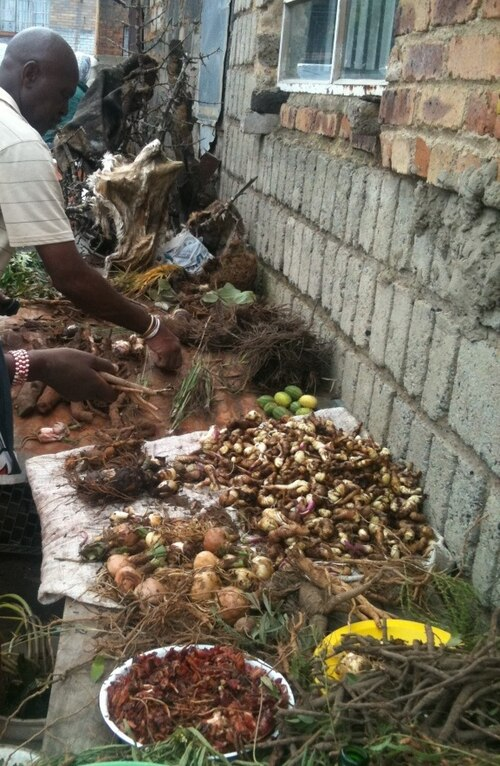
Long before written medical texts existed, African communities developed extensive knowledge through careful observation and practical experience.
Generations of hunters, gatherers, farmers, and traditional healers learned which plants could nourish, which could soothe discomfort, and which required careful handling. This knowledge was preserved through oral traditions, storytelling, apprenticeships, songs, and ceremonial teachings.
Across the continent, botanical knowledge evolved alongside changing ecosystems, resulting in remarkable regional diversity.
Today, many ethnobotanists consider Africa one of the world’s richest repositories of indigenous botanical knowledge.
One defining characteristic of African botanical traditions is the understanding that human wellbeing is inseparable from environmental health.
Plants are rarely viewed simply as natural resources. Instead, they are often regarded as essential elements within a broader ecological and cultural system.
Traditional practices frequently emphasize:
Many communities developed harvesting practices intended to ensure plants remained available for future generations.
Africa’s extraordinary biodiversity has produced a wide variety of botanical traditions.
The dense rainforests of Central Africa contain thousands of plant species that have long been incorporated into traditional healthcare, nutrition, and cultural practices. Indigenous communities possess extensive ecological knowledge developed over centuries of close interaction with these forest environments.
West African healing traditions are well known for their sophisticated herbal systems, many of which remain widely practiced today. Plants are commonly used alongside dietary practices, massage, spiritual guidance, and community-centered care.
Communities throughout East Africa have developed plant knowledge adapted to diverse landscapes ranging from highlands to savannahs. Many medicinal plants also serve culinary, nutritional, or agricultural purposes.
Southern Africa is internationally recognized for its remarkable plant diversity. Numerous indigenous species have become the focus of modern scientific research due to their historical use in traditional medicine.
African botanical traditions include plants used for many different purposes, such as:
It is important to recognize that traditional uses vary considerably among communities, and historical uses do not necessarily establish clinical effectiveness for specific medical conditions.
Traditional healers occupy important social and cultural roles in many African communities.
Their responsibilities may include:
Many healers spend years apprenticing under experienced practitioners before practicing independently.
In many African cultures, plants carry significance beyond their practical applications.
Botanical traditions are often interwoven with:
While practices vary greatly among regions and cultures, many emphasize respect, gratitude, and responsibility toward the natural world.
Growing scientific interest has led researchers to study many African medicinal plants for their chemical composition and potential therapeutic properties.
The fields of ethnobotany, pharmacognosy, and natural products research increasingly draw upon traditional knowledge while applying rigorous scientific methods.
At the same time, many experts emphasize the importance of protecting indigenous intellectual property, ensuring ethical collaboration, and recognizing the contributions of traditional knowledge holders.
The future of African botanical traditions depends upon preserving both biodiversity and cultural knowledge.
Important conservation priorities include:
Responsible conservation efforts benefit local communities while helping protect valuable plant species for the future.
Interest in African medicinal plants has expanded globally. However, responsible engagement requires cultural sensitivity, scientific curiosity, and respect for indigenous communities.
Whether studying traditional herbal medicine, ethnobotany, or African wellness practices, it is essential to recognize that these knowledge systems represent living traditions rather than historical artifacts.
Supporting ethical research, sustainable sourcing, and community-led conservation helps ensure that Africa’s botanical heritage continues to thrive for generations to come.
They are indigenous systems of knowledge involving the identification, cultivation, preparation, and use of plants for health, nutrition, ceremony, and community wellbeing.
Many traditions extend back thousands of years and have been preserved through oral teaching and practical experience.
Yes. Numerous African plants are the subject of ongoing scientific research, although evidence varies by species and traditional uses should not be assumed to have clinical validation.
Traditional knowledge contributes to biodiversity conservation, cultural heritage, sustainable resource management, and may inspire future scientific discoveries.
African botanical traditions represent one of humanity’s oldest and most sophisticated relationships with the natural world. Rooted in observation, cultural heritage, and environmental stewardship, these practices continue to shape conversations about wellness, conservation, and ethnobotanical research.
By learning about these traditions with curiosity and respect, we not only deepen our appreciation for Africa’s remarkable botanical diversity but also help support the preservation of invaluable cultural knowledge for future generations.

Traditional recovery programs often feel like a revolving door. You walk into a detox center,

If you live in America and find yourself trapped in the cycle of severe substance

Most conventional addiction treatments feel like dragging a heavy sled through deep mud. You decide