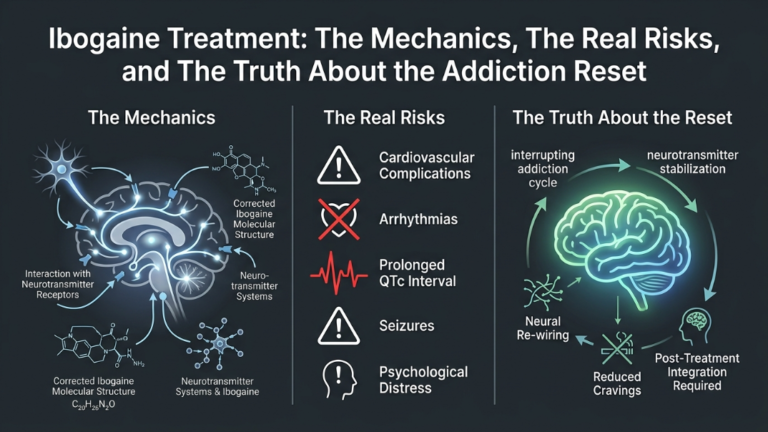
Ibogaine Treatment: The Mechanics, The Real Risks, and The Truth About the Addiction Reset
Traditional recovery programs often feel like a revolving door. You walk into a detox center,

Traditional recovery programs often feel like a revolving door. You walk into a detox center, sweat through an excruciating week of physical withdrawal, and then spend thirty days sitting in a plastic chair listening to lectures. For a lot of people, the second they step out the front door, the cravings rush back with the exact same intensity. The underlying cycle has not changed at all.
This ongoing failure is why people start looking into an alternative known as an ibogaine treatment.
The stories surrounding this West African botanical compound sound like science fiction. Advocates claim that a single dose can completely wipe out severe opioid withdrawal overnight and permanently eliminate cravings. Because of this reputation, families desperate for a solution view it as a magical shortcut.
But you have to separate the internet hype from actual medical reality. An ibogaine treatment is not a magic trick, and it is certainly not a casual wellness retreat. It is a highly intense, physically taxing pharmacological intervention. It carries real cardiac risks that require strict medical management.
If you are considering this path for yourself or someone you care about, you need the raw facts. Here is exactly how an ibogaine treatment works, what happens to your biology during a session, and how to evaluate international care options safely.
To understand an ibogaine treatment, you have to look at where the compound comes from. It is a naturally occurring psychoactive alkaloid found inside the root bark of Tabernanthe iboga, a shrub native to Central African rainforests. For centuries, communities in Gabon have used the raw plant as a sacred element in spiritual initiation ceremonies.
The transition from a tribal sacrament to a modern medical tool began in the 1960s. A researcher named Howard Lotsof discovered by accident that a single ingestion completely interrupted his own heroin addiction without causing physical withdrawal.
When you look at an international clinic running a formal ibogaine treatment, they do not use raw root bark powder. Instead, they administer purified ibogaine hydrochloride (HCl) or total alkaloid (TA) extracts in measured, weight-dependent oral doses.
The primary goal of an ibogaine treatment is simple. It acts as an addiction interrupter. It provides a sudden, dramatic break in the cycle of dependency, giving a patient a temporary window of clear thinking and physical comfort so they can start the real work of long-term behavioral recovery.
Traditional medications for substance use disorder are replacement therapies. Drugs like methadone or buprenorphine work by sitting on your brain’s opioid receptors. They keep you from going into withdrawal, but you remain physically dependent on a chemical to get through the day.
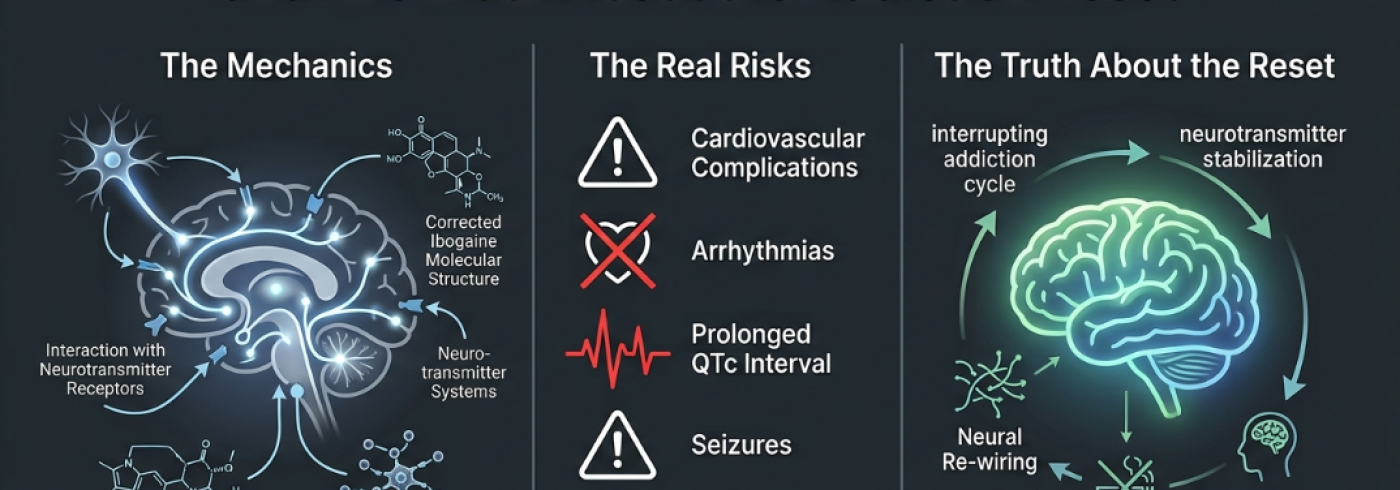
An ibogaine treatment uses a completely different mechanism. It does not replace the drug you are addicted to. Instead, it interacts simultaneously with a vast network of neurotransmitter systems to orchestrate a biological reset.
When a patient receives an ibogaine treatment, the compound targets several key areas:
The alkaloid binds directly to mu-opioid receptors, which effectively signals to the brain that it has received its regular supply of narcotics. This unique binding profile explains why a patient can go from a heavy fentanyl or heroin habit directly into an ibogaine treatment and experience a massive drop in acute withdrawal symptoms within a few hours. At the same time, it helps normalize your dopamine pathways, which helps stabilize your brain’s reward center.
By blocking NMDA receptors, an ibogaine treatment helps quickly reverse your chemical tolerance. It breaks the brain’s learned expectation for massive doses of a substance, which essentially rolls back your neurological clock to a pre-addicted state.
The compound triggers a massive release of Glial Cell Line-Derived Neurotrophic Factor (GDNF) and Brain-Derived Neurotrophic Factor (BDNF). These proteins act like fertilizer for your brain cells. They stimulate neuroplasticity, allowing your nervous system to build new pathways and repair damaged circuits.
The biological power that makes an ibogaine treatment so effective is exactly what makes it potentially dangerous. You cannot ignore the physical toll the medicine takes on your body.
The primary safety concern during an ibogaine treatment centers entirely on the heart. The compound blocks specific potassium channels in the cardiac muscle, which directly delays the heart’s electrical system from resetting between beats. In medical terms, this causes QTc interval prolongation.
If your QTc interval extends too far during an ibogaine treatment, your heart can slip into a chaotic, life-threatening arrhythmia known as Torsades de Pointes. If this occurs in an unmonitored setting without immediate medical intervention, it can lead to sudden cardiac arrest.
This risk is why an underground ibogaine treatment inside a hotel room or a private home is a massive gamble. A safe, professional protocol requires continuous, real-time EKG monitoring throughout the entire active session. The clinical team must track your heart’s electrical patterns every second, ready to administer fast-acting intravenous medications or use a defibrillator if your rhythm starts to shift dangerously.
The legal status of an ibogaine treatment varies dramatically depending on where you look in the world. Inside the United States, it remains classified as a Schedule I controlled substance, which means federal law views it as having a high potential for abuse and no accepted medical use.
However, the real-world policy landscape is shifting rapidly. Lawmakers are facing a devastating opioid crisis that traditional treatment centers cannot contain, forcing them to look closer at the clinical data.
| Jurisdiction | Regulatory Status | Current Action Framework |
|---|---|---|
| United States | Classified as a Schedule I controlled substance under federal law | Research conducted under regulatory approval; some states are supporting or funding ibogaine research initiatives |
| Texas | Ibogaine remains illegal under federal and Texas law | State funding has been allocated to support ibogaine clinical research and drug development efforts |
| Mexico / Bahamas | Regulatory approaches differ by country; ibogaine is available through clinics in some jurisdictions | Commercial clinics operate under the applicable local legal and regulatory framework |
| New Zealand | Non-approved prescription medicine that may be prescribed under specific regulatory provisions | May be administered by authorized physicians on a case-by-case basis, subject to national regulations |
The state of Texas altered the national conversation by establishing a historic state-funded research consortium. Lawmakers allocated massive funding to major public universities, including UTHealth Houston, specifically to build clinical trials evaluating how an ibogaine treatment resolves chronic opioid dependency.
Furthermore, a significant federal executive order directed health authorities to expedite the review of alternative treatments for severe post-traumatic stress and substance dependency. While a legal commercial ibogaine treatment inside America remains years away due to the long FDA approval pipeline, these initiatives are moving the compound out of the underground shadow and placing it squarely into the scientific mainstream.
An active ibogaine treatment is a long, demanding experience. When a clinic administers a full clinical dose—often called a flood dose—the active experience typically spans 24 to 36 continuous hours.
Medical teams generally divide the timeline of an ibogaine treatment into three distinct, sequential phases:
![Ibogaine Treatment : The Mechanics, The Real Risks, and The Truth About the Addiction Reset
[Phase 1: Visionary] -----------> [Phase 2: Introspection] -----------> [Phase 3: Residual Light]
Hours 1 to 8 Hours 8 to 24 Hours 24 to 72+](https://ibogara.com/wp-content/uploads/2026/07/image-13-1024x576.png)
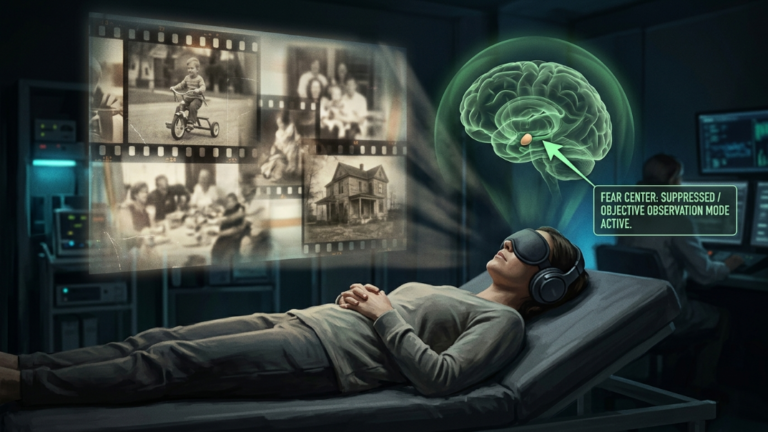
This initial stage begins within an hour of taking the oral dose. Patients enter a dream-like, conscious state known as oneirophrenia. Your eyes remain closed, but your brain begins projecting highly vivid, rapid visual slideshows or film-like sequences of past memories.
What makes this phase unique during an ibogaine treatment is the complete lack of emotional panic. The medicine calms your brain’s fear center, allowing you to observe past trauma, childhood events, or painful mistakes with complete, objective detachment.
The rapid visual projections fade out, and the experience shifts inward. This is often the most physically exhausting part of an ibogaine treatment.
Patients lie still, processing the mental insights they just observed. You evaluate your relationships, your behavior patterns, and the root causes of your addiction. Physical side effects like intense nausea, dizziness, and muscle tremors are common during this window, requiring steady support from your clinical nursing team.
The acute effects of the drug leave your system, but your brain remains highly active. Most patients experience total insomnia during this phase. You feel physically drained but mentally hyper-aware as your brain begins adjusting to its new chemical baseline.
Because of the physical stress involved, not everyone is a safe candidate for an ibogaine treatment. A reputable international clinic will never accept a patient based on a casual phone call or a simple online questionnaire. If a facility is willing to book your session without demanding deep medical records, they are operating unsafely, and you should avoid them entirely.
A legitimate medical screening before an ibogaine treatment must require several key tests:
Certain conditions serve as absolute red flags that rule out an ibogaine treatment entirely. These include a history of heart attacks, congenital heart defects, severe psychiatric conditions like schizophrenia or bipolar mania, and active liver disease. Safety in this field is defined by a clinic's willingness to say no to high-risk candidates.Because there is no central medical board overseeing international clinics, the burden of vetting a facility falls completely on your shoulders. You will find a wide variety of operations right across the border in Mexico or Costa Rica.
It is easy to get distracted by marketing materials that showcase luxury beach properties, swimming pools, and gourmet organic chefs. While comfort is nice, those details will not save your life if your heart reacts poorly to a flood dose. You must prioritize clinical infrastructure over luxury amenities.
| Evaluation Criteria | High-Risk Holistic Retreat | Medical-Model Facility |
|---|---|---|
| Emergency Equipment | May have limited emergency equipment and rely on local emergency medical services | Equipped with advanced resuscitation equipment, including crash carts and defibrillators |
| Monitoring During Treatment | Periodic staff check-ins and intermittent vital sign monitoring | Continuous cardiac and vital sign monitoring, with medical supervision |
| On-Site Staffing | Primarily non-medical facilitators or wellness practitioners | Licensed physicians, ACLS-certified registered nurses, and other qualified medical staff |
| Medication Quality & Safety | Quality assurance practices may vary between providers | Standardized medication sourcing, identity testing, and clinical quality-control protocols |
A proper medical-model facility should look and function like an advanced specialized hospital wing. They should feature full emergency crash carts, on-site defibrillators, and automated medicine dispensing systems. Most importantly, a licensed medical doctor and an ACLS-certified nurse must remain inside the room with you for the entire duration of your flood dose session.
Let’s look past the clinical week. Assume you choose a high-standard facility, clear your screening, complete your session, and step out of the clinic with your physical cravings completely wiped out. You buy a plane ticket and head home.
This is where the real challenge of an ibogaine treatment begins.
When you step off the plane, your brain has been chemically reset, but your home life has not changed. The same stressful job, the same broken relationships, and the same geographic triggers are waiting for you right where you left them.
An ibogaine treatment buys you a temporary window of neurological freedom. It does not automatically teach you how to handle stress, process grief, or build a stable life. If you return to your exact same lifestyle without making structural changes, you will eventually override the biological reset and relapse.
To protect your recovery, you must build a proactive integration network the moment you return home:
An ibogaine treatment is one of the most powerful tools available for breaking a severe cycle of addiction, but it demands immense respect and careful planning. It is a serious medical procedure that carries real physical risks, requiring specialized clinical oversight, deep pre-screening, and a lifelong commitment to lifestyle change.
If you view the process as a quick fix, you are missing the point entirely. But if you view an ibogaine treatment as a hard-earned second chance—a way to silence the physical noise of withdrawal so you can safely clear the table and rebuild your life from the ground up—it can be the exact turning point that changes your path for good.

Traditional recovery programs often feel like a revolving door. You walk into a detox center,
If you live in America and find yourself trapped in the cycle of severe substance
Most conventional addiction treatments feel like dragging a heavy sled through deep mud. You decide